Green Lanes rubbish removal guide for Palmers Green homes
If you live near Green Lanes in Palmers Green, rubbish removal can feel oddly simple one minute and surprisingly fiddly the next. A sofa has to go, the loft is finally being cleared, or a garden project has left you staring at a pile of soil, branches, and broken bags. Then the questions start: what can be lifted, what needs a permit, what should be separated, and what is actually the fastest way to get it all gone?
This Green Lanes rubbish removal guide for Palmers Green homes breaks it down in plain English. You will find practical ways to clear household waste, compare the main removal options, avoid common mistakes, and choose the right route for the job. It is written for real homes, real driveways, and real London streets where space is tight and time matters. Let's make it manageable.
Why Green Lanes rubbish removal guide for Palmers Green homes Matters
Green Lanes sits in a busy, lived-in part of North London, and Palmers Green homes often deal with the usual mix of household waste, old furniture, garden cuttings, renovation rubble, and end-of-lease clutter. That matters because rubbish piles up quickly when life gets busy. A few bags in the hallway become a corridor blocked by cardboard. A flat-pack delivery turns into broken packaging, then broken packaging turns into "I'll deal with it next week." We have all been there, to be fair.
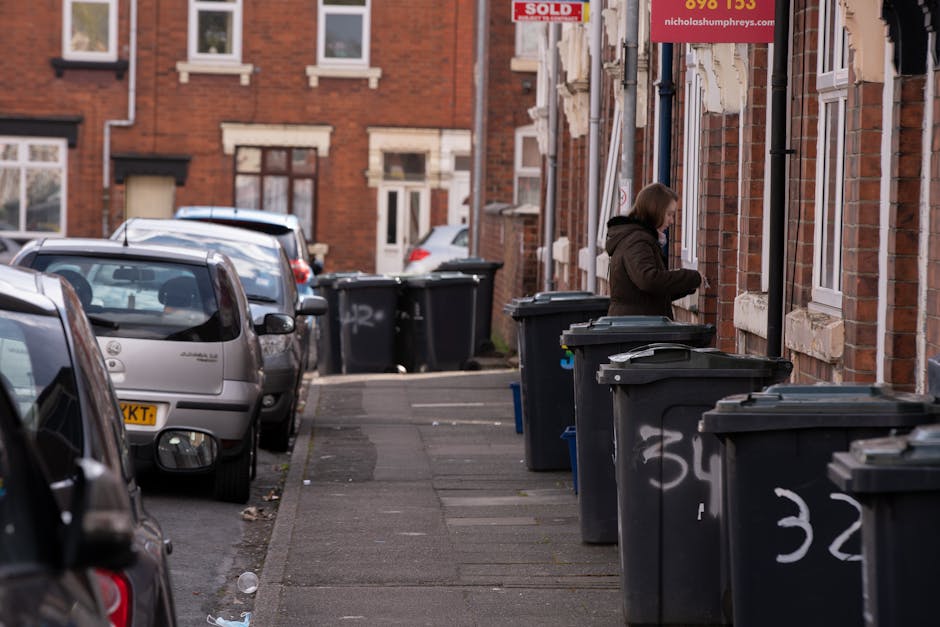
What makes rubbish removal especially important in this area is the combination of limited space, on-street parking, terraced layouts, and the everyday pressure of keeping a home tidy without making a mess of the pavement or neighbours' access. A good removal plan saves time, reduces stress, and helps you avoid accidental non-compliance, which can happen more easily than people think when waste is left out too long or mixed incorrectly.
There is also a practical side. If you sort waste well, you usually get a smoother collection, a cleaner finish, and a better chance that reusable or recyclable material is handled properly. That is where services such as rubbish removal, domestic skip hire, and waste recycling services can make life much easier for householders who want one neat solution rather than a weekend of repeat trips.
Expert takeaway: The best rubbish removal plan is not just about making waste disappear. It is about choosing the method that fits your space, waste type, timing, and access without creating extra hassle later.
How Green Lanes rubbish removal guide for Palmers Green homes Works
At a household level, rubbish removal usually follows a simple pattern: identify the waste, choose the most suitable collection method, prepare the items, and arrange disposal. The details matter though, because not every load is the same. A garden clear-out behaves differently from a sofa disposal job. A loft clearance is not the same as a bagged mixed-waste collection. And if you are mid-renovation, the waste stream can change day by day.
For most Palmers Green homes, there are three broad approaches. First, a direct rubbish collection where items are taken away for you. Second, a skip-based solution where waste is loaded into a skip on or near your property. Third, a hybrid or access-friendly option such as wait-and-load, grab hire, or man and van collection. These are not fancy industry words; they are just different ways of dealing with the same practical headache.
If you are dealing with mixed household clutter, bulky items, or a bigger clear-out, it may make sense to review house clearance, garage and loft clearance, or mattress and sofa disposal. If the job is more about outdoor waste, then garden waste removal may be a better fit. Different jobs, different tools. Simple as that.
One thing people often overlook is access. If your driveway is narrow, your road is busy, or parking is awkward near Green Lanes, the removal method should work with the property, not against it. A service that is easy to book but awkward to execute usually becomes expensive in time, and sometimes in stress too.
Key Benefits and Practical Advantages
The biggest benefit of proper rubbish removal is obvious: the waste goes, the space comes back. But the deeper benefits are often what people appreciate most after the job is done.
- Less clutter, faster progress. You can actually finish the room, garden, loft, or renovation instead of living around the mess.
- Safer movement around the home. Bags, broken wood, and old appliances can become trip hazards very quickly.
- Better use of limited street space. In busy residential roads, the right method can reduce disruption for neighbours and vehicles.
- Cleaner sorting. Separating wood, metal, green waste, and general rubbish often improves recycling outcomes.
- Less back-and-forth. One efficient collection is far easier than many small car-loads or repeated council-side workarounds.
There is also peace of mind. A home feels different when the rubbish is gone. You notice the floor again, the light in the room, the patio that was hidden under bags. Small thing? Maybe. But if you have ever tried to cook dinner around a pile of bags from a clear-out, you know it is not so small in the moment.
For residents comparing methods and costs, it is worth looking at skip sizes and prices alongside pricing and quotes. That helps you match the scale of the job to the budget, rather than guessing and hoping it fits.
Who This Is For and When It Makes Sense
This guide is useful for homeowners, landlords, tenants, and anyone dealing with domestic waste in the Palmers Green and Green Lanes area. In practical terms, it tends to help most when the waste is awkward, bulky, or too much for normal bins.
Typical situations include:
- Clearing out a spare room, loft, or garage
- Replacing furniture after a move or refurb
- Garden tidy-ups after pruning, landscaping, or storm damage
- End-of-tenancy clear-outs
- Kitchen or bathroom upgrades with mixed debris
- General decluttering after a house move
- Small builder-style jobs that produce rubble, plasterboard, timber, or packaging
It also makes sense if you are short on time. Let's face it, rubbish removal is rarely the thing people are excited to do on a Saturday morning. If the job has to be done quickly, a service such as same day skip hire or a flexible option like wait and load skip hire can be a practical escape from weeks of clutter building up in the front garden or drive.
If you want a lower-commitment approach for smaller domestic loads, man and van can suit households that need lifting and loading included. It is especially useful where access is awkward or the waste is already stacked and ready. Different homes, different rhythm.
Step-by-Step Guidance
If you are organising rubbish removal from a Palmers Green home, the clearest way to avoid mistakes is to work through the job in stages. Do not rush this bit. A few minutes of planning tends to save a lot of awkward sorting later.
- Walk the property first. Check every room, cupboard, loft corner, shed, and outside area. Waste has a habit of hiding in plain sight.
- Separate the waste into rough categories. General household rubbish, bulky furniture, garden waste, electricals, and hazardous items should be kept apart where possible.
- Measure the bigger items. If a mattress, wardrobe, or appliance is involved, make sure it can get out of the property safely.
- Check access. Think about stairs, gates, parking, and where vehicles can stop without blocking the road.
- Choose the right method. Compare skip hire, direct removal, grab hire, or a load-and-go option depending on volume and urgency.
- Confirm any restrictions. Some items need special handling, and some waste types should not be mixed with general rubbish.
- Prepare the space. Move delicate items out of the way, protect flooring if needed, and keep the load area clear.
- Book and label the waste clearly. If you are using a skip, keep prohibited items out. If using removal staff, tell them about heavy pieces in advance.
- Do a final sweep. Check for screws, shards, broken glass, dust, and packaging tape before the waste leaves.
A small but helpful point: if you are unsure about what can go together, check what can go in a skip. It prevents the classic mistake of tossing in items that should have been handled separately. Not glamorous, but very useful.
When a skip is the better choice
A skip is often best when you have ongoing waste across a few days, multiple rooms, or a project that creates steady debris. It gives you a place to work at your own pace. If that sounds like your situation, skip hire may be the most straightforward route, with options that can be tailored to household projects rather than building sites.
When a skip is not ideal
If parking is too tight, access is too restricted, or you only have a single pile of waste ready to go, a skip may be overkill. In those cases, direct rubbish removal, grab hire, or a wait-and-load arrangement can be more sensible. The best choice is the one that fits the property, not the one that sounds biggest.
Expert Tips for Better Results
After working through a lot of home clear-outs, a few patterns become obvious. The jobs that go smoothly usually share the same habits: good sorting, realistic planning, and a bit of space left for manoeuvre.
- Keep hazardous items separate from day one. Paints, solvents, chemicals, and similar waste should not be casually mixed into general household rubbish. If in doubt, look at hazardous waste disposal.
- Flatten cardboard early. It saves space and makes the pile easier to manage.
- Group bulky items by type. Furniture, electricals, and garden waste are easier to handle when they are not all tangled together.
- Use the front of the property wisely. If access is tight, clear a staging area first so loading is faster.
- For sensitive documents, do not just bin them. If the clear-out includes paperwork, use confidential shredding rather than leaving personal data in mixed waste.
- Take appliances seriously. Fridges and freezers are awkward, heavy, and not something you want to drag out at the last minute. Plan them separately with fridge and appliance removal.
Another useful tip: don't overfill the first pile just because you want it out of sight. It sounds obvious, but people do it all the time. Then they spend longer unpicking the mess than they would have spent sorting it properly in the first place. Funny, in a not-funny way.
If your home project is outdoors, pair the rubbish plan with recycling and sustainability considerations so reusable or recyclable materials are handled thoughtfully. That is usually the cleaner outcome for everyone.
Common Mistakes to Avoid
The biggest mistakes with rubbish removal are not usually dramatic. They are small, ordinary errors that snowball.
- Mixing everything together. It is tempting, but it can create disposal problems and extra handling.
- Underestimating volume. Homeowners often guess too low. A few "small" piles can fill space faster than expected.
- Ignoring access constraints. A service that works on paper may fail at the front gate.
- Forgetting restricted items. Electricals, fridges, mattresses, and some building materials may need separate treatment.
- Leaving waste out too long. Bags on the street or pavement can become a nuisance fast, especially in busier stretches near Green Lanes.
- Choosing a method based only on price. Cheap is not always cheap if it causes extra trips, delays, or extra handling.
One common scenario: someone books a collection for mixed household waste and only later remembers the old freezer in the shed or the paint tins under the stairs. That is the kind of thing that can delay a job. It is easily fixed, but only if you spot it early.
Tools, Resources and Recommendations
You do not need a huge toolkit to handle rubbish removal well. A few basic items and some sensible prep work go a long way.
- Heavy-duty sacks. Better than thin bags that split halfway down the path.
- Work gloves. Useful for sharp edges, splinters, and dusty loads.
- Clear labels or tape. Helpful if you are separating waste streams or keeping items aside for recycling.
- Measuring tape. Worth having if larger items need to pass through hallways or door frames.
- Trolley or sack barrow. A real time-saver for heavier loads, if the route is suitable.
- Basic floor protection. Old sheets or protective coverings can prevent dirt and scratches during loading.
For homes comparing removal routes, these pages are especially helpful: skip sizes and prices, pricing and quotes, and payment and security. They support better planning before anyone arrives with a vehicle or skip. If your project is time-sensitive, it is also worth considering book online so you can move quickly once the decision is made.
Law, Compliance, Standards, or Best Practice
For household rubbish removal in the UK, the main thing to remember is that waste should be handled responsibly and passed to a suitable carrier or disposal route. You do not need to become a legal expert to get this right, but you do need to be sensible. In practical terms, that means keeping hazardous waste separate, avoiding fly-tipping risks, and using services that understand proper disposal and recycling expectations.
It is also wise to think about security and privacy. Home clear-outs sometimes uncover old bank letters, documents, and records that should not just be thrown into mixed waste. That is why confidential waste should be treated separately. Similarly, items like fridges, freezers, and some appliances need careful handling because they are not standard general rubbish.
For projects involving builders' waste, a little extra care is needed. Dust, rubble, timber, and mixed demolition material should be sorted with care. If your home improvement job is larger than a simple declutter, pages like builders skip hire, builders waste removal, and construction waste disposal may be relevant. For more disruptive strip-outs, demolition waste removal can be the better fit.
Best practice is really quite straightforward: know your waste, separate what needs separating, and choose a collection method that matches the load. Do that, and most of the headaches disappear before they begin.
Options, Methods, or Comparison Table
Choosing between rubbish removal methods is much easier when you compare them side by side. Here is a practical overview for Palmers Green homes.
| Method | Best for | Main advantage | Potential drawback |
|---|---|---|---|
| Rubbish removal | Mixed household waste, bulky items, quick clear-outs | Fast, simple, labour included | Less suitable for slow, ongoing waste generation |
| Skip hire | Refurbs, decluttering, projects over several days | You load at your own pace | Needs space and may require a permit |
| Wait and load | Short jobs, tight parking, road access issues | No need to keep a skip on site | Requires everything ready quickly |
| Grab hire | Heavy or loose waste, outdoor loads, larger piles | Good for volume and awkward materials | Needs access room for the vehicle |
| Man and van | Single-load clear-outs and flexible collections | Hands-on help with loading | May be less ideal for repeated waste generation |
If you are working with a narrow street, a busy frontage, or limited driveway space, the table above becomes really useful. A skip might still be right, but if you know parking is a nightmare, an option like skip permits or wait and load skip hire may change the decision entirely.
For straightforward domestic jobs, the best route is often the one with the least friction. That is the honest answer, even if it sounds a bit unexciting.
Case Study or Real-World Example
A typical Palmers Green household clear-out might start with "just the spare room." Then the spare room reveals boxes of old books, a broken desk, some tangled cables, a mattress that has seen better days, and a few bags of odds and ends from the loft. By lunchtime, what looked like a small task has become a proper load.
In one realistic scenario, the family first separated the obvious items: cardboard for flattening, soft furnishings, a broken appliance, and general mixed rubbish. They measured the larger furniture so they knew what would fit through the hallway. They also checked the front access and realised a parked car would make a skip difficult. That pushed them toward a flexible collection rather than a static skip.
The final plan used a single organised collection with labour included, plus separate handling for the mattress and appliance. It was not glamorous. A little dusty, a bit noisy, and there was a fine layer of loft fluff in the hallway. But the job finished in one go, the room opened up again, and the family could finally repaint without stepping over old clutter. That is the real win: the project moves forward.
Another version of the same story might suit a homeowner with a garden overhaul. In that case, bags of hedge cuttings, broken pots, soil, and old fencing could be handled better through garden waste removal or grab lorry hire if the pile is heavy and awkward. Same neighbourhood, same basic problem, different solution.
Practical Checklist
Use this quick checklist before booking or starting a rubbish removal job at home.
- Have I identified all the waste, including hidden items in lofts, sheds, or cupboards?
- Have I separated hazardous, electrical, bulky, and general waste?
- Do I know whether I need a skip, direct removal, grab hire, or a wait-and-load option?
- Is there enough access for the vehicle or loading team?
- Have I measured any large items that need to come out of the property?
- Do I know whether any items need special handling or disposal?
- Have I checked whether a permit or local parking consideration might be needed?
- Have I protected flooring or cleared a loading route?
- Have I confirmed pricing and payment details in advance?
- Have I decided what should be recycled, reused, or disposed of separately?
If you can tick most of those off, you are in good shape. If not, pause and sort the unknowns first. It always goes better that way.
Conclusion
Rubbish removal around Green Lanes and Palmers Green does not have to be stressful. Once you know what kind of waste you have, how much of it there is, and how good your access is, the rest becomes far more straightforward. A well-chosen removal method saves time, reduces disruption, and leaves your home feeling lighter, cleaner, and easier to live in.
The key is not to overcomplicate it. Match the service to the job, separate problem items early, and plan for the realities of your property rather than the ideal version of it. That is usually where the best results come from. Quietly practical. No drama.
If you are ready to move from planning to action, take a moment to compare your options and choose the route that fits your home and schedule best.
Get a free quote today and see how much you can save.
And once the clutter has gone, it is amazing how quickly a home feels like itself again.
Frequently Asked Questions
What is the best rubbish removal option for a Palmers Green home?
The best option depends on the waste type, amount, and access. For mixed household clutter or bulky items, direct rubbish removal or man and van services often work well. For ongoing renovation waste, skip hire may be better.
Do I need a skip permit in Green Lanes or Palmers Green?
You may need a permit if a skip has to go on a public road rather than private land. The need depends on where the skip is placed and local arrangements, so it is worth checking before booking.
Can I put furniture and appliances in the same load?
Often yes, but appliances may need separate handling, especially fridges, freezers, and similar items. Sofas and mattresses can usually be arranged as their own disposal categories.
What should I do with garden waste from a home clear-out?
Garden waste is usually easier to manage separately. Branches, hedge cuttings, soil, and turf can behave differently from mixed household rubbish, so a dedicated garden waste service can be cleaner and more efficient.
Is wait and load good for residential streets near Green Lanes?
Yes, it can be very useful where parking is tight or you do not want a skip sitting outside. Everything needs to be ready quickly, though, so preparation matters.
How do I know whether skip hire or rubbish removal is cheaper?
It depends on the volume, time on site, and how much labour is involved. Skip hire can suit slow, ongoing loads, while rubbish removal may be more cost-effective for a single tidy load that can be taken in one visit.
Can I throw paint tins or chemicals into a skip?
No, not usually. Paints, solvents, and similar items are often treated as hazardous waste and should be handled separately. Always separate them rather than guessing.
What happens if I have confidential papers in the clear-out?
Those should be kept out of general rubbish and handled through confidential shredding. It is a simple step that protects personal information.
What if I only have one bulky item to remove?
If it is just one item, a bulky waste collection, man and van service, or a specific disposal service for that item may be the simplest route. A whole skip would probably be unnecessary.
How quickly can rubbish be removed from a Palmers Green home?
Timing depends on availability, access, and the size of the job. Small jobs can sometimes be handled quickly, while larger or more complex clear-outs need a bit more planning.
Do I need to sort rubbish before collection?
It helps a lot. Sorting waste into general, recyclable, bulky, electrical, and hazardous categories makes the collection smoother and reduces the chance of problems on the day.
What is the safest way to clear rubbish from a loft or garage?
Go slowly, check for sharp objects, and use proper bags or containers. If the load is heavy or awkward, professional clearance is often safer than trying to carry everything yourself down narrow stairs.
Can rubbish removal help with a full house clearance?
Yes, and it is often the right starting point. For larger clear-outs involving rooms, furniture, and stored items, house clearance or garage and loft clearance can be a much better fit than one-off bin runs.
What should I compare before booking?
Look at waste type, access, speed, disposal restrictions, and pricing. If you are unsure, compare pricing and quotes with skip sizes and prices so you can match the service to the real job, not just the guessed one.