Skip Hire in Palmers Green

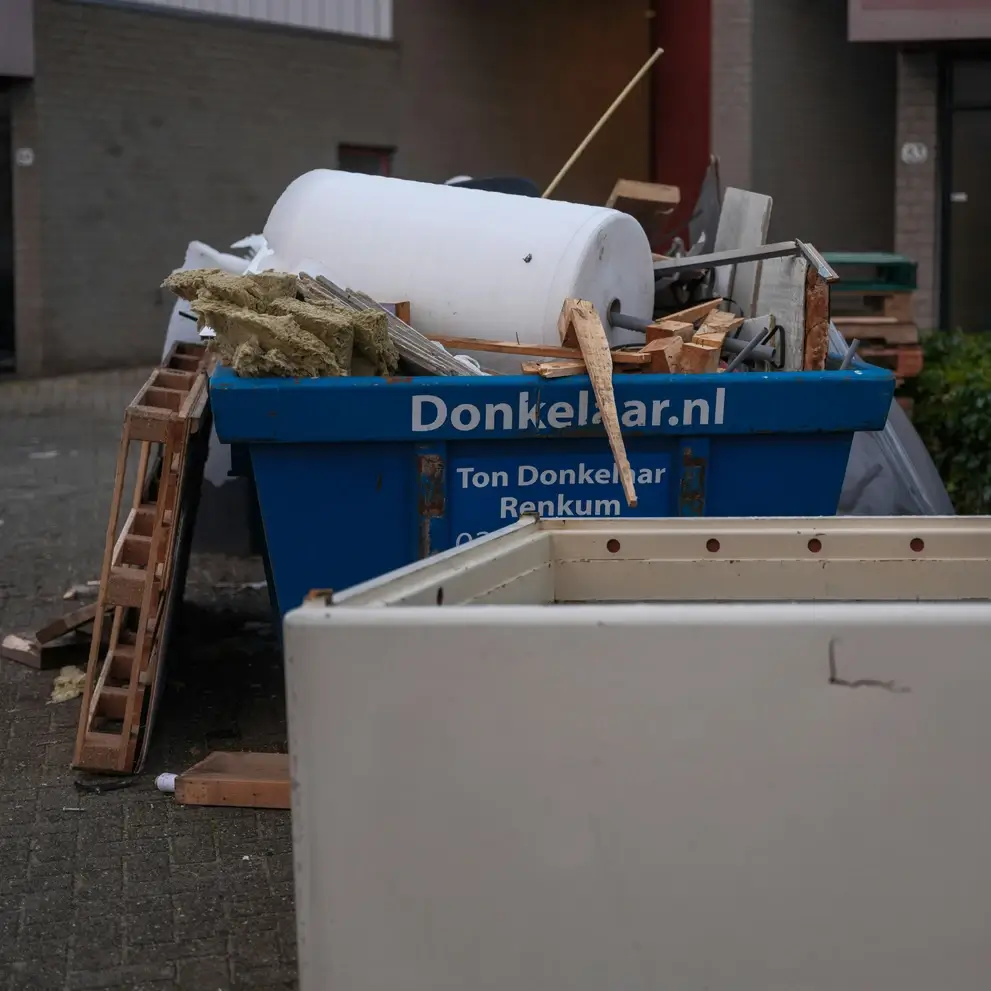
Skip hire in Palmers Green is a practical way to manage bulky waste from home clearances, refurbishment work, garden projects and light building jobs. Our service is centred on straightforward waste collection using skips suited to different amounts of material, so you can keep a project moving without leaving debris on site. Whether you are clearing a loft, stripping out an interior or dealing with mixed renovation waste, the aim is to provide a tidy and reliable disposal option.
We also support customers who need a more specific approach, from domestic skip hire for household work to builders waste removal for heavier rubble and trade waste. If you are comparing options, it can help to think about access, the type of waste and how long the load will sit on your property. That makes the service easier to match to the job and helps keep the process efficient from start to finish.
A good skip hire arrangement should feel clear rather than complicated. We help you choose a suitable size, understand the main rules for permitted waste and plan the collection in a way that suits the task in hand. The right choice depends on volume, material and access, not simply on how large the job sounds. If you need to request a quotation, you can get in touch when you are ready.
Household and domestic waste support
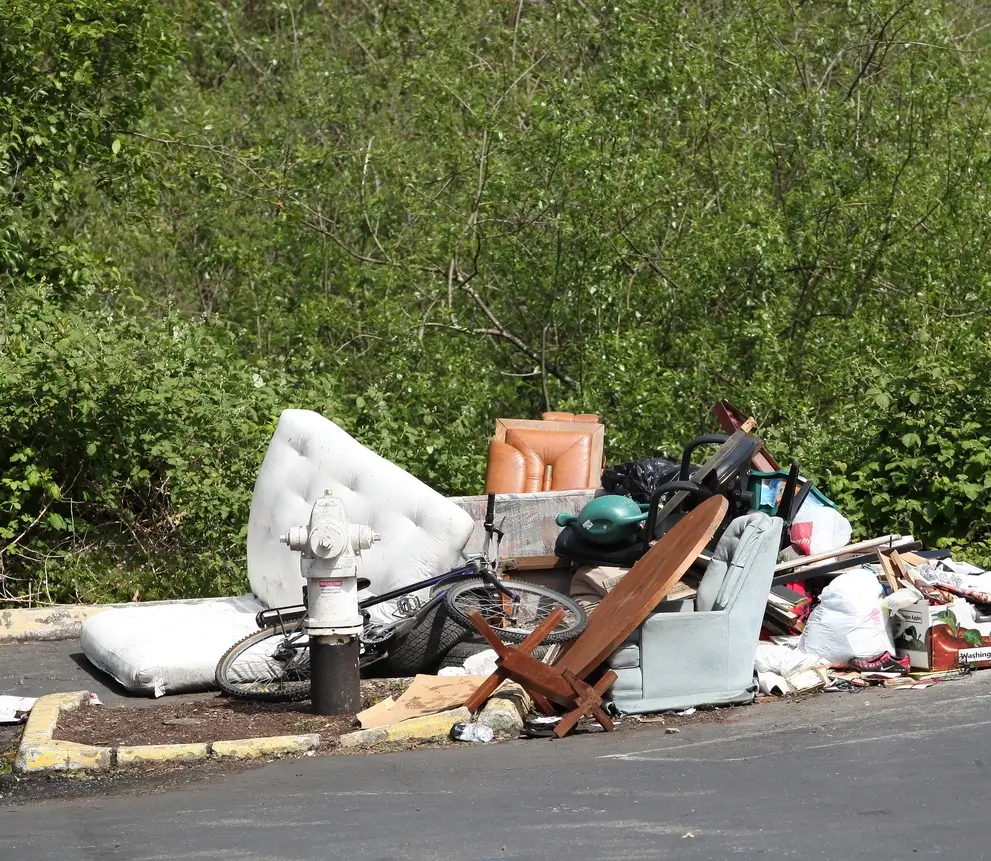
Domestic projects often create mixed waste streams: broken fittings, old furniture, packaging, timber offcuts and general rubbish. Our domestic skip hire option is designed for those everyday jobs where a single collection point is easier than repeated car runs to a disposal centre. It works well for decluttering, room refits, minor repairs and spring clean projects that generate more than a standard bin collection can take.
For jobs that involve furniture, white goods or difficult-to-move items, it may be better to combine skip hire with specialist collection. Services such as house clearance, garage and loft clearance and fridge and appliance removal can be useful when items need separating before disposal. That flexibility matters when a project includes both loose waste and large objects that need handling carefully.
The main decision points are usually space, weight and waste type. Household rubbish is rarely uniform, so it is worth separating reusable items, metal, soil, plasterboard and general mixed waste before loading where possible. A well-organised load can make the skip easier to use and may reduce the chance of prohibited items being mixed in. If you are unsure which service fits the job, a short description of the waste is often enough to start.
Builders skip hire and construction waste
Builders skip hire is a core part of many renovation and maintenance projects, especially where waste builds up day by day. It is suited to materials such as brick, tiles, timber, packaging, old fixtures and general site debris. For more specialist work, construction waste disposal and construction waste clearance are useful when the job calls for a tidier or more targeted approach to removing site waste.
Construction jobs can also benefit from linked services such as builders skip hire, demolition waste removal and site clearance. These options suit different phases of a project, from stripping out a room to clearing the last materials after a structural or landscaping task. If access is tight, it is worth thinking about vehicle positioning, loading points and whether items will be thrown in or carried out by hand.
When planning for building waste, it helps to treat the skip as part of the workflow rather than an afterthought. Keep heavier inert material separate from lighter mixed waste where possible, and avoid overfilling so the load remains manageable. Clear access and sensible segregation make the job smoother, especially when several trades are working on the same property. For a quotation, it is usually enough to outline the material, the site layout and the likely duration of the hire.
Garden, outdoor and landscaping waste
Garden waste removal is often the most efficient way to deal with branches, cuttings, turf, soil, hedge trimmings and general outdoor debris after pruning or landscaping work. It is especially useful when the waste would otherwise need multiple trips in a car or trailer. For larger garden changes, skip hire can also be paired with grab hire services or muck away services where the material is loose, heavy or awkward to load by hand.
Outdoor projects can create waste that is not purely green. Broken paving, old fencing, stones, topsoil and mixed debris may need a broader disposal plan. In those cases, it is sensible to check whether the waste is mostly organic or whether it includes inert or mixed building material as well. A skip can be a practical choice when the task involves a long period of pruning, landscaping or dismantling and you want a single collection point on site.
One useful way to prepare is to separate soil, wood, and green waste before loading if the job allows it. That helps keep the process orderly and may make the skip easier to fill efficiently. If your outdoor project includes both plant waste and hard landscaping spoil, it is worth describing the full scope clearly when seeking a price. Good preparation usually starts with knowing what will be removed, not just how much there is.
Specialist skip options for access and waste control

Not every site has the same access or the same waste-handling needs, so specialist skip options can make a real difference. An enclosed and lockable skip can be useful when waste security matters or when the load needs to be protected from weather and interference. Where access is restricted, a wait and load skip hire approach may be preferable because the collection vehicle does not need to remain on site for long.
For some jobs, standard skip placement is not ideal because of drive width, street space or nearby traffic. In those situations, skip permits may become relevant, along with careful planning of the drop-off position. Customers comparing different hire methods sometimes also look at man and van services or rubbish removal when the waste needs more direct handling or the site cannot comfortably accommodate a skip.
Choosing between these options usually comes down to practical constraints rather than preference alone. If the waste is security-sensitive, weather-sensitive or likely to be added to gradually, a covered or monitored solution may suit better. If the waste must go quickly from a tight property or busy forecourt, a faster loading method can be more appropriate. Access, timing and material type are the main points to consider before booking.
Commercial waste and workplace clearances
Businesses often need a dependable way to remove packaging, stock, fixtures, office contents or refurbishment waste without interrupting daily work for too long. Commercial skip hire can be used for shops, offices, light industrial spaces and premises undergoing fit-out or clearance. For office-specific jobs, office clearance is a useful related service where furniture, paper, electronics and general contents need organised removal.
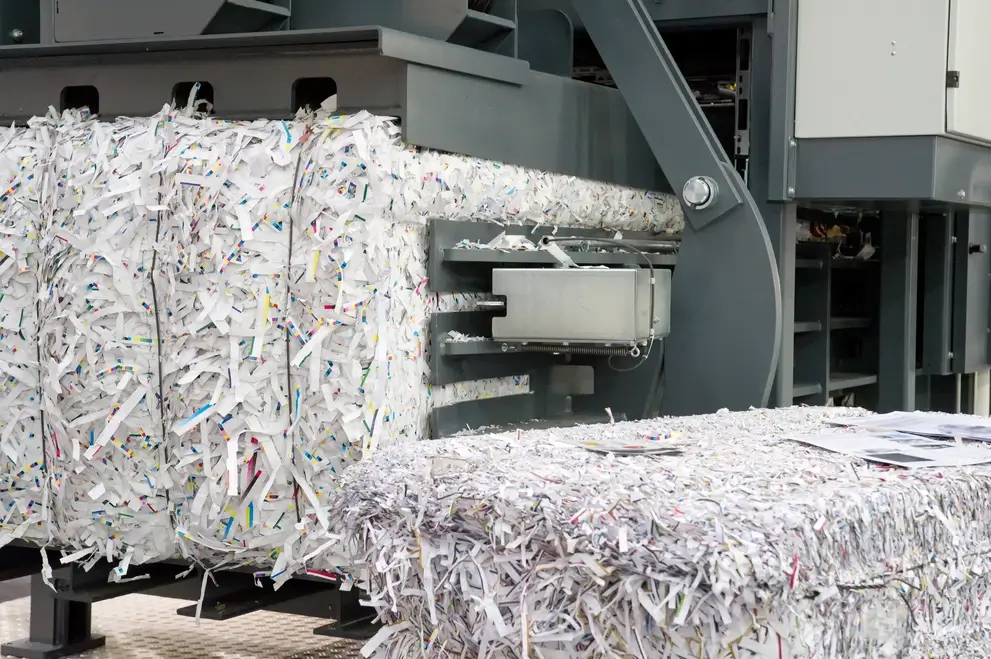
Some commercial projects call for specialist waste pathways. commercial skip hire supports broader business use, while confidential shredding may be appropriate when paper records need secure disposal. If the waste includes a mix of furniture and non-document items, combining services can keep the job tidy and reduce the need to sort everything in one go.
For commercial customers, the main advantages are control and predictability. A skip gives teams a designated place for waste, which can help keep communal areas, loading bays and work floors clearer. It also makes it easier to plan collections around trading hours or contractor access. If you are arranging a quotation, it helps to note the site type, the expected waste mix and whether the project will be phased over several days.
How to plan a skip hire order
Good planning makes skip hire easier to use and easier to price. A brief description of the waste, where the skip will sit and how long you expect to need it will usually help identify the right arrangement. The same applies whether the job is domestic, commercial or construction-related. If the project includes awkward items, mixed materials or restricted access, mention that at the enquiry stage so the service can be matched properly.
It also helps to think about the sequence of the job. If the waste will arrive in stages, a skip can be placed early and filled gradually. If the material will be removed all at once, a short-hire option may be more suitable. Useful details to have ready include:
- the type of waste
- the approximate amount
- whether the skip will be on private ground or near the road
- any access limits or loading concerns
For many customers, the key question is not just what can be collected, but how the job will fit around the rest of the work. That is why it is worth planning for loading space, safe access and the point at which waste is likely to be ready for removal. If you are gathering details for a quote, a short list is usually better than trying to describe everything in broad terms. Clear information leads to a clearer recommendation.
What affects skip hire pricing
Skip hire pricing is influenced by practical factors rather than a single fixed rule. Common elements include skip size, hire length, waste type, collection method and whether any additional permissions are needed. Heavier or more restricted waste streams may require different handling from general mixed rubbish, so it is important to identify the load accurately. That way the quotation reflects the actual job rather than a rough guess.
Different project types can involve different service needs. For example, skip sizes and prices can help with comparing capacity, while pricing and quotes is useful when you want to understand how the arrangement is built. If the waste has recycling considerations, the recycling and sustainability page is a helpful related resource for learning how materials may be treated after collection.
When you ask for a quotation, try to focus on the facts of the job rather than an ideal size or budget target. The more precise the waste description, the easier it is to avoid over- or under-specifying the skip. It is also sensible to mention if the project may change, as that can affect the most suitable size or collection schedule. Accuracy matters more than guesswork when arranging waste removal.
About Palmers Green
Palmers Green is a district in the London Borough of Enfield in north London, known for its long shopping streets, residential avenues and easy connection to the wider Lea Valley landscape. The area developed significantly with the extension of the railway in the nineteenth century, which encouraged suburban growth and brought new housing and local commerce. Its centre is commonly associated with Green Lanes, a busy corridor that links shops, services and transport routes, while quieter streets extend to the north and west in a more residential pattern. The district includes a mix of period houses, interwar streets and later infill development, giving it a layered character rather than a single architectural style. Broomfield Park is one of the best-known green spaces nearby, offering formal gardens, open lawns and mature trees that provide a contrast to the dense urban fabric around it. Palmers Green also sits within reach of the New River, a historic waterway that runs through north London and contributes to the local landscape character. Cultural life in the district is shaped by everyday commerce, cafés, local services and community facilities, with nearby transport making it a practical base for people moving through the borough. The area’s streets, parks and rail links reflect its role as a settled London suburb that has grown around movement, trade and housing over many decades.
Clear waste removal with practical collection options

Skip hire is often the simplest way to keep work areas tidy while waste is accumulating. It gives you a clear disposal point without depending on repeated vehicle trips, and it can be adapted to many different kinds of project. From a modest home clearance to a more involved building job, the central benefit is the same: waste leaves the site in a controlled and orderly way. That can help the rest of the work progress with less clutter and less interruption.
We support a range of related removal services, including skip permits where placement on public highway needs permission, same day skip hire for urgent arrangements, waste recycling services for material that needs sorting after collection and what can go in a skip for guidance on acceptable loads. These pages can help you choose the most suitable route before you confirm the order.
If you are ready to move ahead, the next step is simple: tell us what needs removing, where it needs to be collected from and roughly when you would like it to happen. That is usually enough to shape a useful quotation and recommend the right approach. Request a quotation today and we can help you plan the collection with less fuss.